The Best Castor Oil Isn’t the Most Expensive—It’s the One That Gets the Fundamentals Right
Castor oil has experienced a remarkable resurgence in recent years. Once relegated to the medicine cabinet and recommended primarily by grandparents and naturopathic physicians, it has become a staple of wellness routines across social media. A quick search online reveals countless products claiming to be “premium,” “therapeutic,” or “the purest available,” often accompanied by marketing language that makes choosing the right bottle feel unnecessarily complicated.
The reality is much simpler.
After reviewing recommendations from experienced naturopathic physicians, manufacturing standards, and available scientific literature, a clear pattern emerges: the highest-quality castor oils share a handful of objective characteristics. Beyond those fundamentals, differences between reputable brands become surprisingly small.
If your goal is to purchase a castor oil that is clean, pure, and manufactured to the highest standards, these are the factors that deserve your attention.
The information presented in this article reflects my personal research and interpretation of the available scientific literature, manufacturing standards, and recommendations from experienced clinicians and naturopathic practitioners. It is intended for educational and informational purposes only and should not be considered medical advice, diagnosis, or treatment. Always conduct your own research, critically evaluate sources, and consult a qualified healthcare professional before making decisions regarding your health or beginning any new wellness practice. Recommendations and evidence may evolve over time as new research becomes available.
Links provided may be affiliate links. This means I may earn commission at no extra cost to you.
Overview:
- USDA Organic
- Cold-pressed
- Hexane-free
- Amber glass bottle
- 100% pure (Ricinus communis seed oil only)
- Unrefined / Extra Virgin
- Third-party testing / COA transparency
- Country of origin / manufacturing transparency
My Recommendations:
- Seven Minerals — Most complete package overall. 8/8
- Queen of the Thrones — Best transparency and quality assurance. 8/8
- Plant Therapy — Outstanding company reputation and testing. 7/8
- Aura Cacia — Excellent quality control. 7/8
- Heritage Store — The traditional naturopath favorite. 6/8
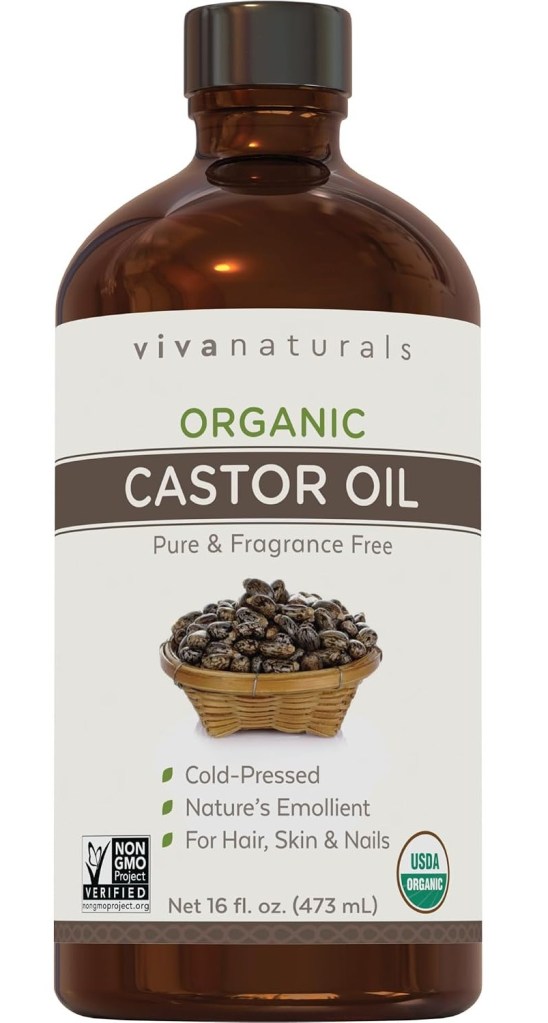
- Viva Naturals — Best value. 6/8
- Handcraft Blends — Strong budget-friendly option. 6/8
1. Cold-Pressed Extraction: Preserving the Oil’s Natural Chemistry
Perhaps the single most important characteristic of a high-quality castor oil is that it has been cold pressed.
Cold pressing means the oil is mechanically extracted without high heat, preserving:
- Ricinoleic acid (castor oil’s primary active fatty acid)
- Natural antioxidants
- Tocopherols (vitamin E compounds)
- Minor phytochemicals
Unlike heat-refined oils, cold pressing relies on mechanical extraction without exposing the oil to excessive temperatures. This process helps preserve its naturally occurring compounds, including ricinoleic acid—the fatty acid that makes up nearly 90% of castor oil and is believed to account for many of its biological properties.
Cold pressing also helps retain naturally occurring antioxidants and minimizes chemical degradation during manufacturing. For this reason, naturopathic physicians who routinely recommend castor oil packs almost universally specify cold-pressed, unrefined oils.
2. Hexane-Free Processing: Less Chemistry, More Confidence
Many commercially produced oils are extracted using hexane, a petroleum-derived solvent that efficiently removes oil from seeds.
Although food-grade manufacturing standards require that residual solvent levels remain extremely low, many practitioners prefer to avoid solvent extraction altogether whenever possible.
A high-quality castor oil should clearly state that it is:
- Hexane-free
- Solvent-free extracted
This doesn’t necessarily mean that solvent-extracted oils are unsafe—it simply reflects a preference for a cleaner manufacturing process with fewer variables.
3. USDA Organic Certification: Particularly Important for Oils
Organic certification arguably carries more weight with oils than with many other products.
Why?
Because castor oil is almost entirely fat.
Many agricultural chemicals, including certain pesticides and herbicides, are lipophilic, meaning they preferentially accumulate in fatty substances. While regulatory limits exist, choosing an organically certified oil reduces the likelihood of unnecessary chemical exposure.
For this reason, USDA Organic certification remains one of the strongest indicators of manufacturing quality.
4. Amber Glass Packaging: Protecting the Product
Packaging matters more than many consumers realize.
Light, oxygen, and certain plastics can gradually contribute to oxidation and degradation over time.
Premium manufacturers typically package castor oil in amber glass bottles, which:
- Block ultraviolet light
- Reduce oxidation
- Eliminate concerns regarding plastic leaching
- Extend shelf life
While high-quality plastic containers are not inherently problematic, amber glass remains the gold standard for long-term storage.
5. One Ingredient—and Only One
Turn the bottle over.
The ingredient list should contain exactly one entry:
Ricinus communis (Castor) Seed Oil
That’s it.
Avoid products containing:
- Fragrances
- Essential oils
- Carrier oils
- Artificial preservatives
- Fillers
- Colorants
Pure castor oil requires nothing else.
6. Unrefined or Extra Virgin
Although the terminology varies slightly among manufacturers, the principles remain the same.
Unrefined oils undergo minimal processing, allowing them to retain:
- Their natural fatty acid composition
- Naturally occurring antioxidants
- Native color and viscosity
Highly refined oils are often intended for industrial or cosmetic manufacturing rather than traditional therapeutic use.
7. Third-Party Testing: An Indicator of Manufacturer Quality
One encouraging trend among premium manufacturers is voluntary third-party testing.
While not absolutely essential, independent testing demonstrates a company’s commitment to quality assurance.
Testing may include evaluation for:
- Heavy metals
- Pesticide residues
- Microbial contamination
- Purity verification
Manufacturers willing to share these results generally inspire greater confidence.
8. Transparency About Origin
The best companies disclose where their castor beans were grown, where the oil was processed, and how it was manufactured.
Transparency rarely guarantees superior quality—but companies that openly discuss their sourcing and production practices tend to produce more consistent products overall.
- Country Grown
- Country Bottled
- Manufacturing Practices
What Matters Less Than Marketing Suggests
Modern marketing has created a number of perceived distinctions that receive far more attention than they deserve.
Black Castor Oil
Jamaican Black Castor Oil is produced differently, often involving roasted castor beans before extraction.
This creates a darker oil with a higher ash content, making it popular for certain hair and scalp applications.
However, there is little evidence that it is inherently superior to traditional cold-pressed castor oil for general topical use.
Color
Consumers often assume darker equals better. This is not necessarily true.
High-quality castor oil may appear:
- Nearly colorless
- Pale yellow
- Light golden
Color alone tells you very little about manufacturing quality.
Expeller Pressed vs. Cold Pressed
If both products are mechanically extracted without excessive heat, the practical differences are usually modest.
Cold-pressed remains the preferred designation, but either method can produce an excellent oil when performed properly.
Taking all of these factors into consideration…
My Recommendations:
Overview:
- Seven Minerals — Most complete package overall.
- Queen of the Thrones — Best transparency and quality assurance.
- Plant Therapy — Outstanding company reputation and testing.
- Aura Cacia — Excellent quality control.
- Heritage Store — The traditional naturopath favorite.
- Viva Naturals — Best value.
- Handcraft Blends — Strong budget-friendly option.
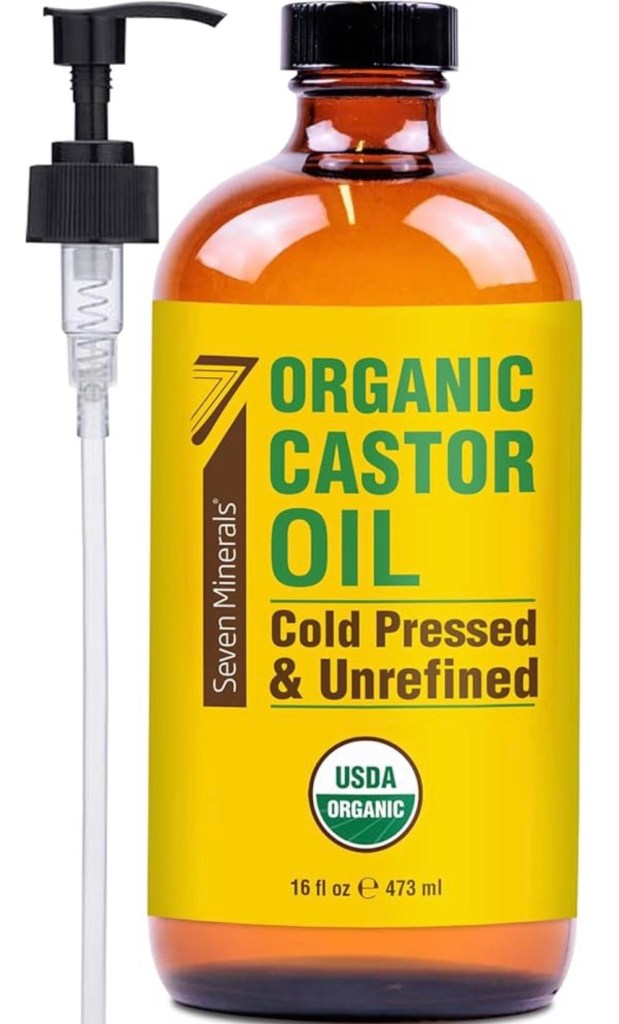
Seven Minerals (8/8)
- Meets all 8 standards listed above
- Certified organic by CCOF with excellent ingredient transparency
- Consistently one of the most complete products on the market
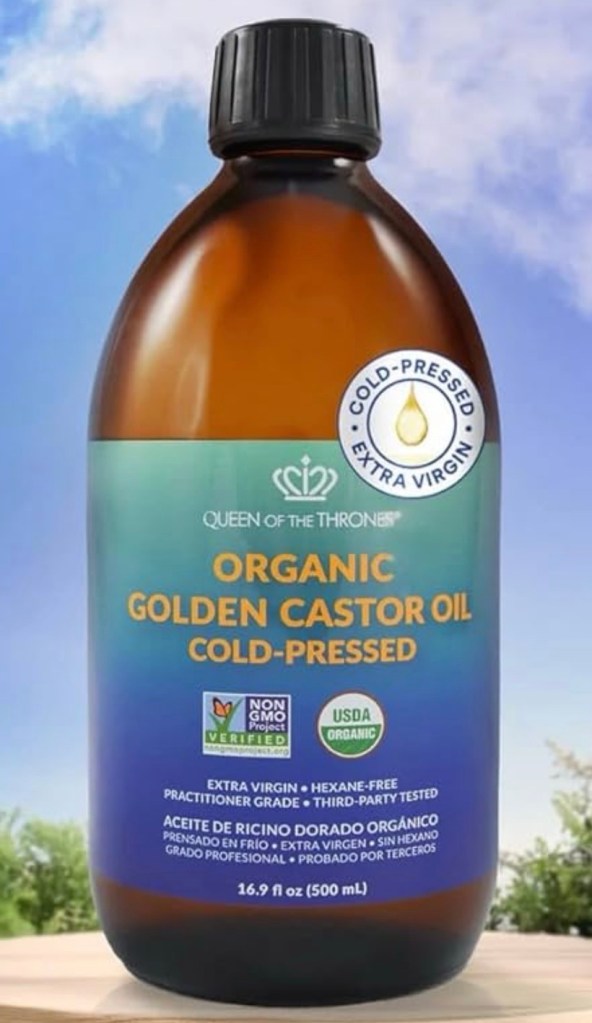
Queen of the Thrones (8/8)
- Strong emphasis on batch testing and quality assurance
- Excellent transparency regarding sourcing and manufacturing
- Premium packaging and educational resources
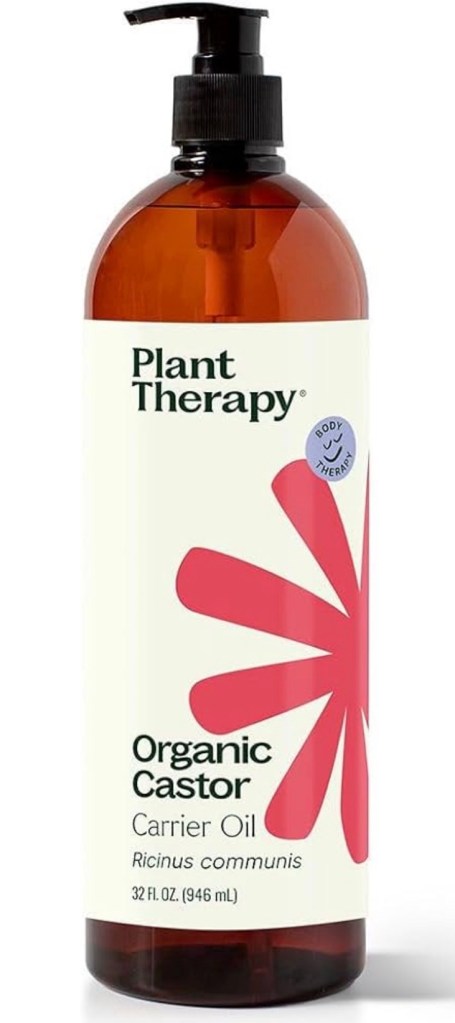
Plant Therapy (7/8)
- Known for rigorous third-party quality testing
- Excellent reputation within the essential oil industry
- Strong commitment to transparency and quality control
- Most sizes comes in plastic rather than amber glass
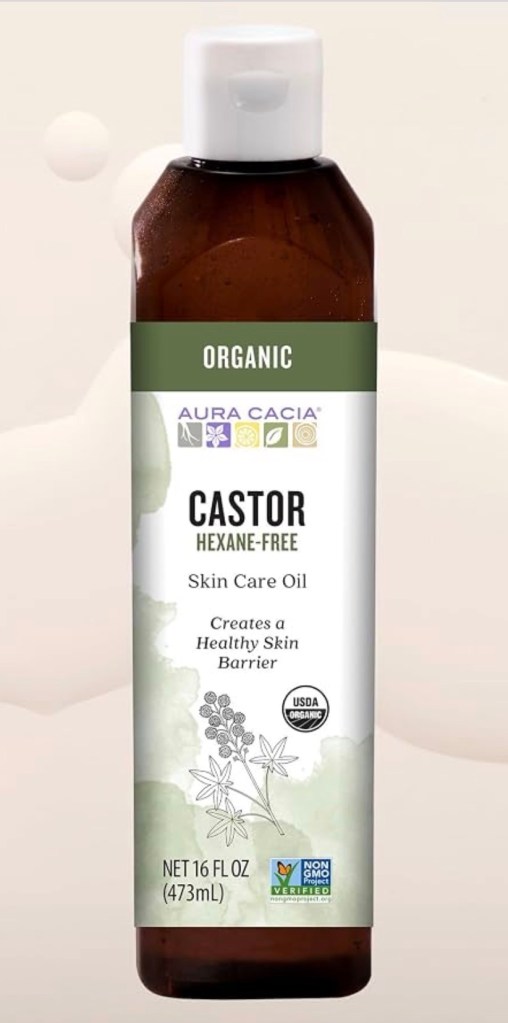
Aura Cacia
(7/8)
- Rigorously tested for purity and quality
- Long-established, highly respected natural products company
- Supports ethical sourcing initiative
- Most sizes come in plastic rather than amber glass
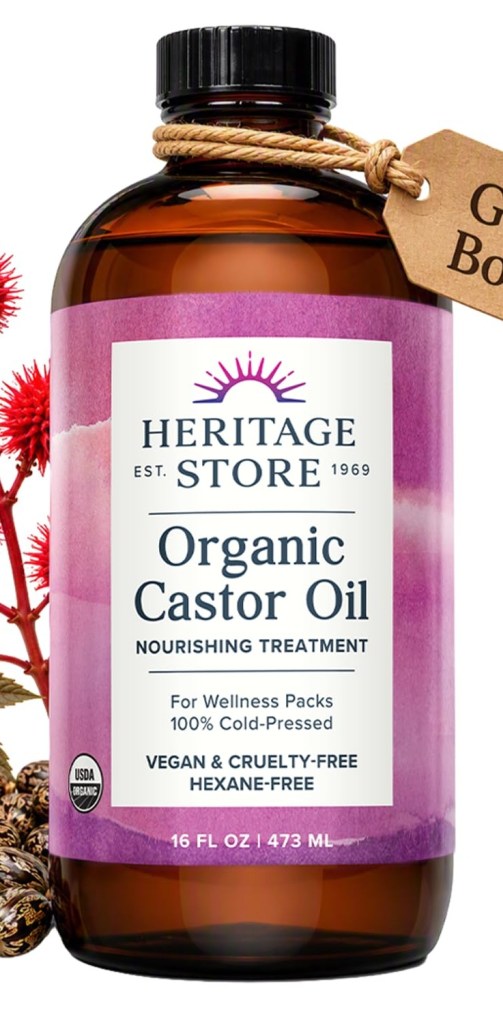
Heritage store
(6/8)
One of the longest-standing and most trusted castor oil brands
USDA Organic, cold-pressed, and hexane-free
Frequently recommended by naturopathic practitioners
Simple, single-ingredient formulation with decades of consumer trust Heritage Store
Viva Naturals (6/8)
USDA Organic and Non-GMO Project Verified
Cold-pressed and hexane-free
Excellent value for the quality offered
Glass bottle with a strong reputation for consistency Viva Naturals
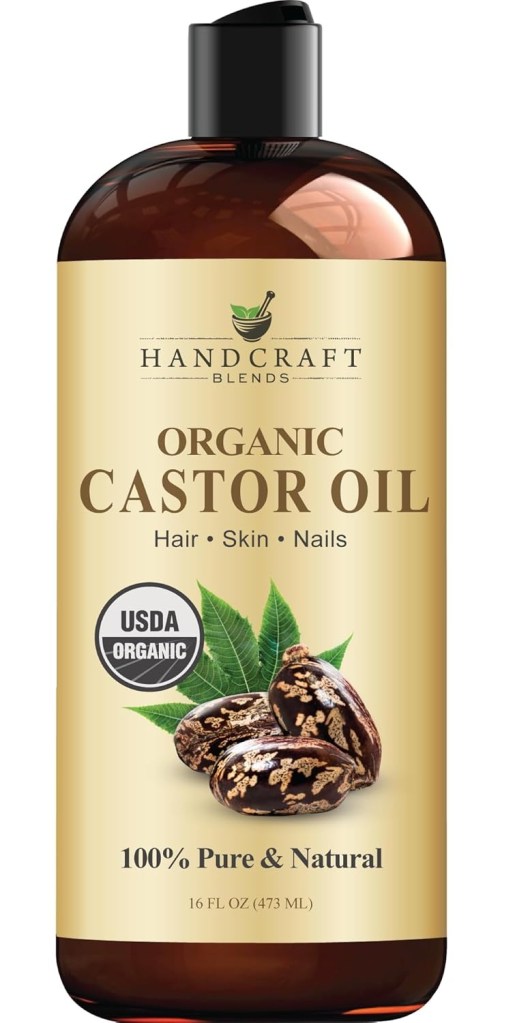
Handcraft Naturals (6/8)
USDA Organic, expeller/cold-pressed, and hexane-free
Single-ingredient formulation with no fillers
Available in amber glass packaging
Outstanding value while still meeting key quality standards


Leave a comment